Active roof leaks
We trace the leak path to the entry point, then repair the roof surface and the waterproofing details that failed—often flashing, valleys, or penetrations.
Roof repair service · Erie, PA
Stop leaks, replace missing shingles, and get storm damage handled fast with a clear written scope before work begins.
Find the real failure point
Erie PA roof repair usually starts after a ceiling spot shows up, shingles blow off in a wind event, or ice and thaw cycles open a small pathway for water. The important part is that the visible interior damage rarely lines up with the roof entry point. Water can travel along decking, rafters, or underlayment before it drips inside.
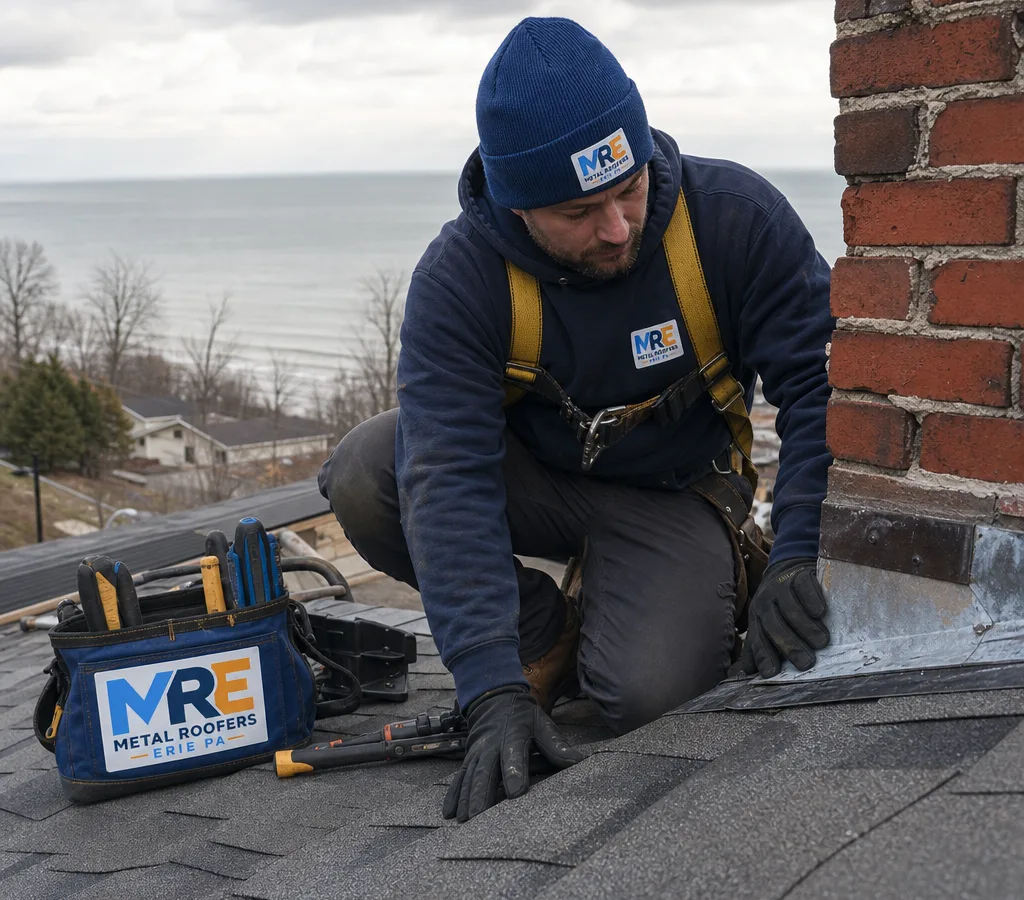
Metal Roofers Erie PA handles roof repair in Erie by finding the actual failure point, documenting what we see, then repairing the roof system in a way that makes sense for the material and the roof's age. That can mean replacing damaged shingles, re-sealing or rebuilding flashing, securing lifted edges, correcting nail pops, or addressing valleys and transitions that collect water.
Erie's weather can be hard on roofs. Freeze-thaw cycles, heavy wet snow, and wind-driven rain make small weaknesses show up quickly, especially at chimneys, pipe penetrations, dormers, and low-slope transitions. The best next step is a roof inspection that produces a written scope so you can decide what to do and what can wait.
Targeted repair capabilities
We trace the leak path to the entry point, then repair the roof surface and the waterproofing details that failed—often flashing, valleys, or penetrations.
Replacing torn, creased, or missing shingles is only part of the fix. We also check surrounding tabs, sealing, and fasteners so the repair holds in the next storm.
Step flashing, counterflashing, and apron flashing need to overlap correctly and shed water. Bad transitions are a frequent cause of recurring leaks.
Cracked pipe boots, failed sealant, and loose fasteners let water in during wind-driven rain. These are small parts with a big impact.
Open valleys, woven valleys, drip edge, and rake edges take a lot of water load. We repair deteriorated materials and correct details that trap debris or back up water.
If conditions are unsafe or materials are unavailable immediately, we can stabilize the area to limit water intrusion until permanent repairs are completed.
Durable repair standards
A durable repair restores the roof as a system: shedding water at the surface, sealing penetrations, and directing runoff into gutters and away from transitions. In practice, that means the repair matches the existing roof type, respects correct overlaps, and avoids shortcuts that fail fast.
Practical repair checkpoints include:
If your home has older roof layers or complex lines common in parts of Erie with historic housing stock, the inspection matters even more because the leak path can cross multiple planes before showing up indoors.
Book Inspection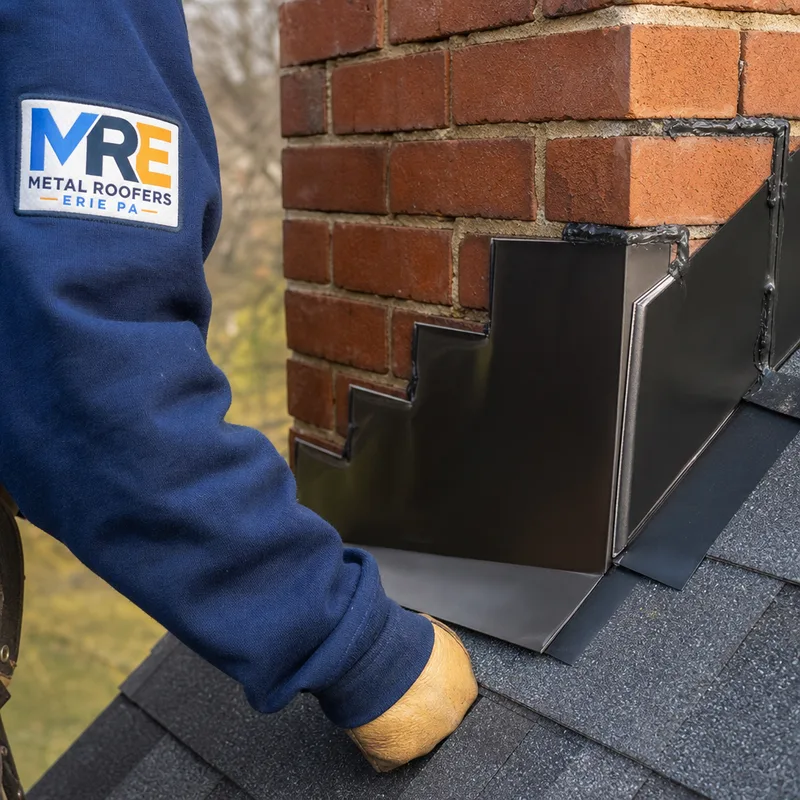
From diagnosis to documentation
Each stage identifies the cause, clarifies the repair, and verifies the critical details before the job is complete.
We inspect the roof surface, penetrations, valleys, and transitions. For leaks, we work backward from interior symptoms to likely entry points and confirm with roof-side evidence.
You get a clear scope of what needs to be repaired now, what's optional, and what we recommend monitoring. If multiple approaches are reasonable, we explain the tradeoffs.
We complete the agreed repairs using materials compatible with your roof. We verify overlaps, fastening, and flashing terminations before we leave the roof.
We remove job debris and provide basic documentation of what was repaired. If we see related concerns nearby, we note them so you can plan ahead.
Planning your repair
Most roof repair Erie PA projects typically range from about $250 to $1,200, depending on the leak source, roof height, access, and material type. A small repair like replacing a few shingles or a pipe boot is often on the lower end, while chimney flashing rebuilds, valley work, or multiple repair areas push the price higher.
Final cost changes with how much teardown is needed, whether decking is soft, how steep the roof is, and how hard it is to safely stage ladders and materials. We confirm exact pricing after an on-site inspection and a written scope.
Repair detail proof
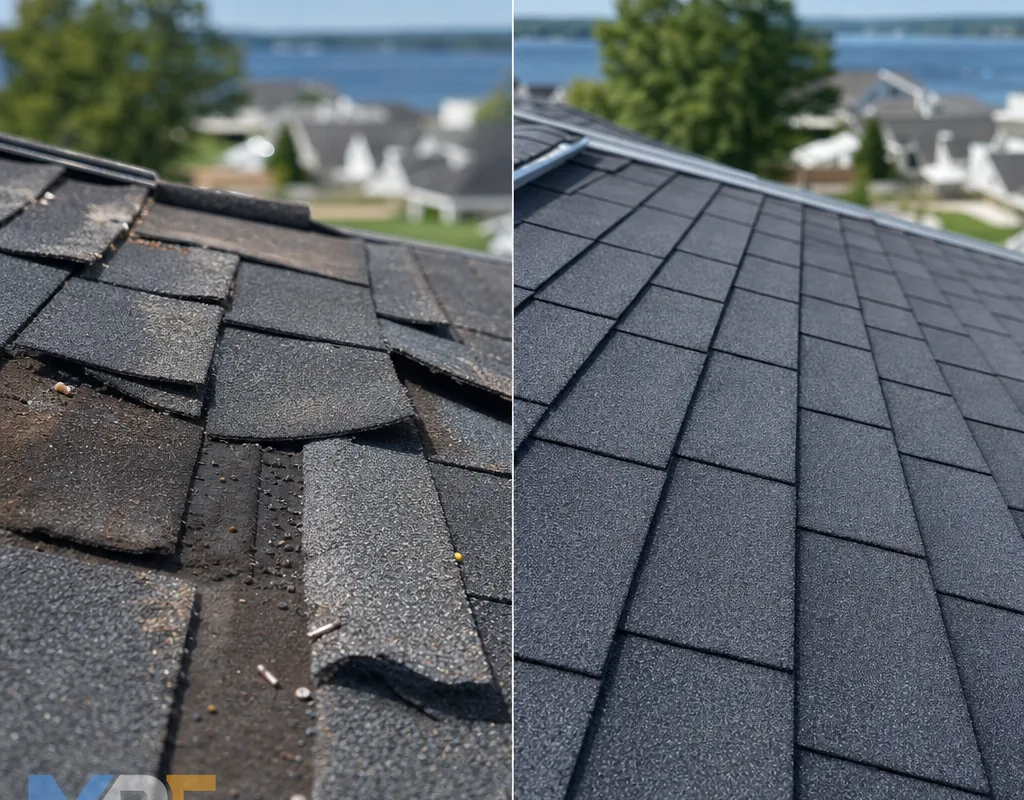
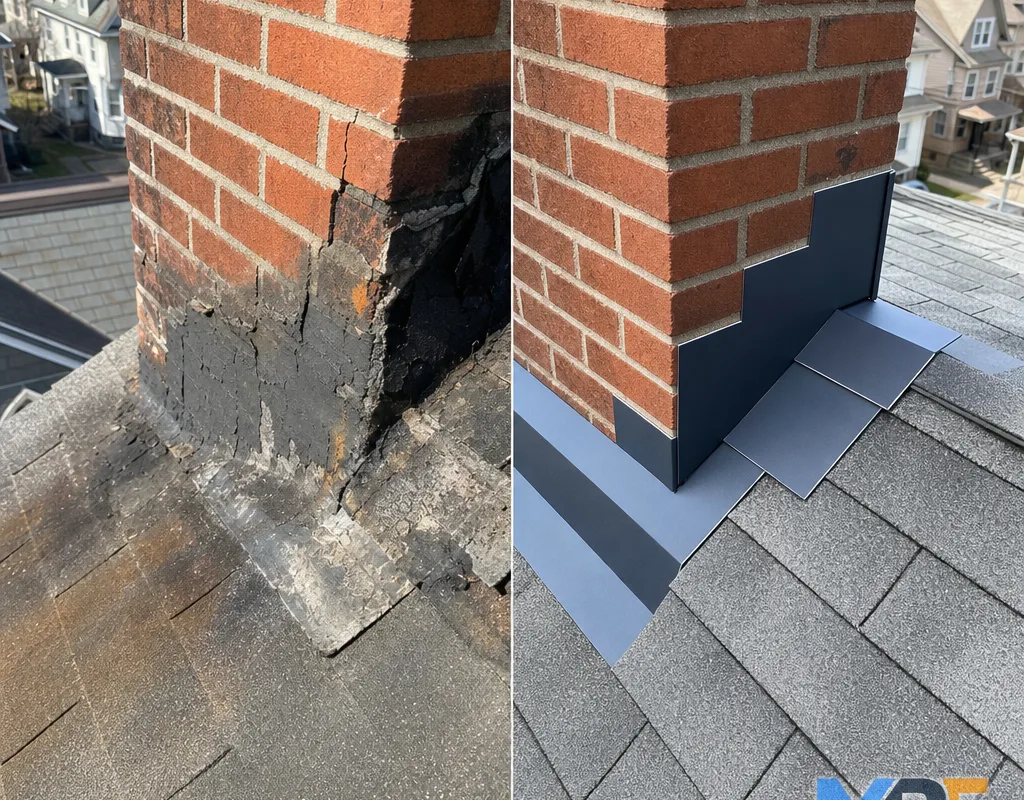
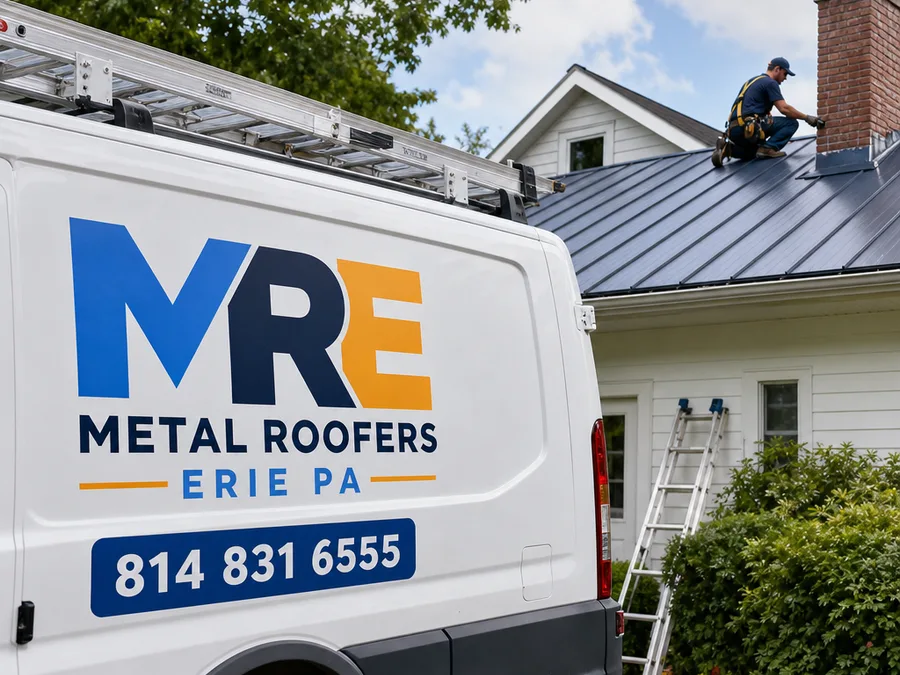
If you're seeing active leaking, missing shingles, or repeated staining after rain, get an inspection and a written repair plan so you can stop the damage and make a confident decision.
Practical repair answers
For active leaks, we prioritize making the roof watertight as soon as conditions allow safe roof access. Wind, lightning, heavy rain, and icy surfaces can delay roof work, but we can often stabilize the situation first and schedule the permanent repair when it's safe.
Yes. We replace damaged shingles and also check the surrounding area for creases, broken seals, and exposed fasteners because nearby shingles are often weakened even if they didn't fully detach. That extra inspection is what keeps the repair from turning into a repeat problem at the next wind event.
No. A ceiling stain is often several feet away from the roof entry point because water can travel along decking and framing before dripping down. That's why our Erie PA roof repair approach is to locate the failure point on the roof, not to guess based on where the interior symptom appears.
If the issue is isolated, the surrounding materials are in decent condition, and the roof structure is sound, a targeted repair is often the right move. If we find widespread granule loss, repeated leaks at multiple transitions, or soft decking in more than one area, we'll tell you plainly so you can weigh repair versus replacement with real information.
The most common leak sources we see are flashing failures at chimneys and walls, worn pipe boots and penetrations, and water concentrating in valleys and low-slope transitions. Erie's freeze-thaw weather can open small gaps over time, and wind-driven rain will find them quickly.
Yes, when practical we document what we found and what was repaired, especially for hard-to-see areas like chimneys, valleys, and penetrations. It helps you keep records for your home and makes future maintenance decisions easier.
Yes. More exposed locations tend to see stronger wind and more wind-driven rain, so we pay extra attention to edge details, sealing, and any lifted shingles or flashing corners. The repair details at rakes, eaves, and penetrations matter more when the roof takes harsher weather.
Start with an on-site inspection
Tell us what you're seeing and when it started. We'll inspect the roof, identify the real leak source or damage point, and provide a written scope so you can move forward without guesswork.